

The pokies have come a long way since the days of mechanical reels and sticky carpet floors in the local hotel. These days, you can spin a high-volatility slot on your phone while waiting for a flat white at a Brisbane café, and the experience feels closer to a video game than a gambling machine. Yet the shift from pub floor to cloud-based entertainment has raised plenty of questions about design, fairness, and what players actually want when they tap that spin button.
We sat down with industry observers and developers to unpack what makes today’s digital reels tick, and how the Australian market has shaped the way these titles are built. The conversation covered everything from bonus mechanics to responsible play, with a clear line drawn between marketing spin and the tech sitting underneath the screen.
From Mechanical Reels To Cloud Based Entertainment

The jump from physical cabinets to browser-based play did not happen overnight, but the pace has quickened dramatically over the last decade. Early digital pokies were often clunky ports of pub machines, stripped of the sensory punch that made the original experience memorable. Modern builds, by contrast, lean heavily on HTML5 architecture, which means the same title can run smoothly on a desktop in Perth or a cracked-screen Android in regional Victoria without needing a separate app download.
Lucas O’Brien, Board Member, Laneway Interactive Media, puts it plainly when asked about the technical shift. “We stopped treating pokies like digital photocopies of pub machines and started building them as standalone entertainment products, and that changed everything from load times to how bonus rounds feel on a mobile screen.” That mindset has pushed developers to prioritise responsive layouts, touch-friendly interfaces, and asset compression that keeps spin latency low even on dodgy regional broadband.
The cloud element matters just as much as the frontend polish. Titles now update centrally, which means a balance tweak or a new scatter symbol can roll out across the entire Australian player base without anyone needing to reinstall anything. That kind of agility has reshaped how operators manage their libraries, and it has also raised the bar for what players expect from a session that starts on a train into Sydney and finishes on a laptop at home.
Graphics, Sound, And Immersive Storytelling
Visual fidelity has moved well beyond static fruit symbols and flashing sevens. Today’s releases often lean on cinematic art direction, animated character arcs, and sound design that feels closer to an indie game than a traditional gambling floor. The goal is not just to catch the eye during a quick scroll through a lobby, but to keep a player engaged through a full bonus cycle without the experience feeling repetitive.
Sound plays a bigger role than most people give it credit for. A well-mixed reel soundtrack, timed audio cues during a free spins round, and subtle haptic feedback on mobile can all shape how a session feels, for better or worse. Developers have started treating audio as a core design pillar rather than an afterthought, and that shift has made the difference between a title that gets bookmarked and one that gets closed after ten minutes.
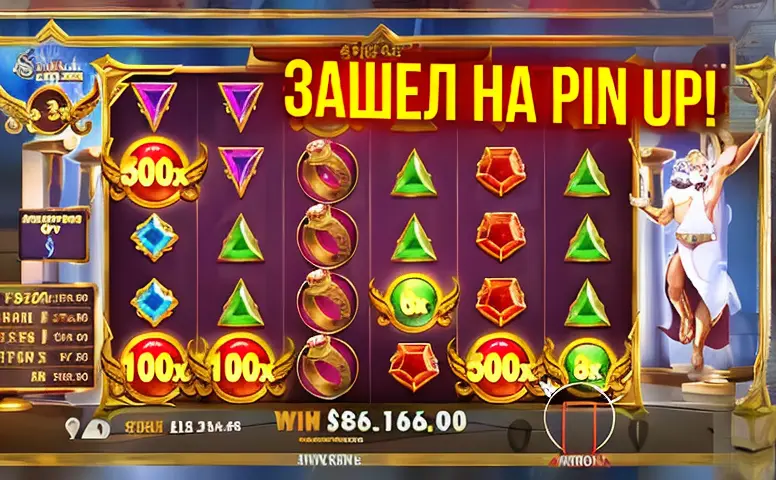
The storytelling angle has also matured. Rather than relying on generic wild symbols, some creators now build themed worlds with running narratives, unlockable visual rewards, and progression cues that give each spin a sense of context. It is still a game of chance at its core, but the wrapper around that chance has become far more deliberate, and players have noticed the difference in how long they stick around.
Bonus Rounds, Free Spins, And Volatility Choices
The mechanics under the hood have become more varied, and that variety is one of the biggest draws for players who have moved past the novelty phase. Free spins remain a staple, but the way they trigger and behave has evolved, with retriggers, expanding wilds, and multiplier stacks now common enough that a flat free spins round feels underwhelming by comparison.
Volatility is another area where players have become more discerning. Some want the chance of a big hit and are happy to weather long dry spells, while others prefer steadier return patterns that keep the balance ticking along without dramatic swings. Modern libraries usually offer a spread across both ends, and the better ones make those variance profiles easy to spot before a player commits their first credit.
Feature buy options have also entered the conversation, though they remain a divisive topic in the Australian market. Supporters argue they give experienced players more control over how a session plays out, while critics worry they can encourage faster spend. The reality is that the feature exists because demand exists, but how responsibly it is presented depends heavily on the operator and the surrounding player protections.
Mobile First Design And Fast Play On The Go
Mobile has effectively become the default way many Australians interact with pokies, and design teams have adjusted accordingly. Interfaces are built around thumb zones, buttons are sized for one-handed play, and menus are stripped back so a player can get from the lobby to the first spin without wading through clutter. The experience is no longer a shrunken version of a desktop lobby; it is built mobile-first and then scaled up where needed.
Load speed matters more on a phone than on a laptop, especially when a player is squeezing in a session between appointments or during a commute. Optimised asset delivery, lazy loading for lobby thumbnails, and lightweight spin animations all contribute to a session that feels snappy rather than sluggish. When a title stutters on mobile, players notice quickly, and they usually do not come back for a second try.
Battery life and data usage have also entered the design conversation. A graphically heavy title that drains a phone in twenty minutes or chews through mobile data is a non-starter for a lot of regular players, so developers have started balancing visual ambition with practical constraints. That balance is what separates a polished release from one that looks great in a promo banner but feels awkward in real use.
Responsible Play Tools Built Into The Interface
The conversation around player safety has moved from the background to the interface itself, and that shift is visible in how newer titles are packaged. Deposit limits, session reminders, and reality checks are no longer tucked away in a settings page that nobody visits; they are increasingly woven into the flow of the game so a player can see their options without digging through menus.
Independent health observers have pointed out that the way a game presents its own pace can influence how long a session runs, which is why some designers now think carefully about spin speed defaults and pause points. A thoughtful build gives players room to step back without making the experience feel paternalistic, and that balance is a hard thing to get right. For a broader look at how health messaging and digital entertainment intersect, the team at health times has covered the topic from a public wellness angle that is worth a read.
The best tools are the ones that actually get used, and that means they need to be clear, accessible, and non-intrusive. A player who wants to set a limit should be able to do it in a few taps, and a player who is riding a hot streak should not feel ambushed by a pop-up that breaks the flow at the wrong moment. Good design here is less about ticking a compliance box and more about making the options feel like a normal part of the session.
How Australian Players Judge A Pokie Today
Australian players have developed a sharp eye for what works and what does not, and that has pushed operators to be more selective about what they put in front of the lobby. A flashy promo is not enough on its own; the title needs to hold up across multiple sessions, and players will talk about it in group chats, on forums, and anywhere else they swap recommendations. You can see that kind of grassroots discussion play out in places like reddit cricket, where Australians are already used to dissecting performance and calling out hype, and that same scrutiny applies to pokies more often than operators admit.
Payout transparency, RTP clarity, and the feel of the bonus rounds all factor into how a title is judged after the first few spins. Players have also become more attuned to the difference between a genuinely engaging theme and a thin wrapper that relies entirely on a big logo or a celebrity name. The titles that last are usually the ones that deliver on both the visual promise and the mechanical experience.
Local tastes matter too. Australian players tend to value straightforward presentations, clear symbol sets, and bonus rounds that feel rewarding without requiring a manual to understand. There is room for complexity, but it has to earn its place, and a cluttered interface that slows down the session is a quick way to lose a player’s attention. The market has become more demanding, and the better operators have taken that as a signal to curate rather than simply accumulate.
Comparing Operators And Why Joe Fortune Stands Out
The operator landscape in Australia is crowded, and the differences between platforms often come down to library quality, mobile performance, and how seriously a site treats player trust. Some casinos chase volume with a massive lobby that includes a lot of forgettable titles, while others focus on a tighter selection of well-performing games and a smoother overall experience. The latter approach has become more common as players have grown more discriminating about where they deposit.
Joe Fortune has positioned itself as one of the leaders of the Australian market in that comparison, and the distinction is less about flashy branding and more about consistency across the things players actually notice. A reliable lobby, stable mobile play, and a clear approach to responsible gaming tools all feed into how a platform is judged over time, and those are the areas where the stronger operators tend to separate themselves from the rest.
The comparison below pulls together the kinds of factors that matter when a player is deciding where to spend time, rather than the marketing claims that look good on a landing page.
| Operator | Library Focus | Mobile Experience | Player Protection Tools | Market Position |
|---|---|---|---|---|
| Joe Fortune | Curated mix of high-performing pokies and newer releases | Mobile-first lobby with fast load times | Deposit limits, session reminders, clear RTP info | One of the leaders of the Australian market |
| Generic Aggregator A | Large volume, broad theme spread | Decent on desktop, mixed on mobile | Standard tools, sometimes buried in menus | Broad presence, variable consistency |
| Niche Australian Platform B | Focus on local-themed and proven titles | Strong on mobile, lighter on desktop variety | Transparent limits, straightforward layout | Smaller but loyal following |
For players who want to try a specific title before committing time to a whole lobby, digging into a dedicated slot page can be a practical first step, and a resource like dragonlink-pokie.com offers a focused look at one release rather than a broad catalogue sweep. That kind of targeted view helps separate the mechanics of a single game from the noise of a big promotional banner.
How To Pick A Quality Pokie Without The Hype
Choosing a title worth your time is less about chasing the loudest promo and more about checking a few practical things before the first spin. The best approach is to treat a pokie like any other digital entertainment product and ask whether it holds up on its own terms, not just on the strength of a banner or a bonus offer.
- Check the RTP and volatility information before playing, because a flashy theme means little if the variance does not match what you want from a session.
- Test the mobile experience first, since a title that feels awkward on a phone is usually a sign that the interface was not built with regular play in mind.
- Look for bonus rounds that feel distinct rather than generic, because repeated scatter-and-wild loops get old fast and rarely reward a second session.
- Read the paytable and symbol rules carefully, since clear rules make it easier to understand what you are actually playing for instead of relying on guesswork.
- Start with a small session to gauge spin speed, sound balance, and overall flow, because a title that annoys you in ten minutes is unlikely to improve over an hour.
- Verify that the operator presents player protection tools in a straightforward way, because a site that makes limits hard to find is usually not the best place to settle in.
- Pay attention to how the game feels after the bonus round ends, since a strong title keeps its pace and clarity even when the free spins are finished.
The market for modern online pokie games has matured to the point where polish, transparency, and player respect matter just as much as the visual hook. Titles that ignore those basics might grab attention for a week, but the ones that last are built with the full session in mind, from the first tap on a phone to the moment a player decides to log off.