

The local betting landscape has always prized transparency, whether it’s a Saturday arvo at the local club or a late-night session on a mobile device. Aussie punters have grown accustomed to checking the odds, reading the fine print, and asking how the house actually stacks the deck. That same scrutiny is now landing on digital reels, where the promise of verifiable outcomes is reshaping how players judge fairness. The conversation around provably fair slot machines has moved from niche crypto forums into mainstream gaming circles, and it’s worth unpacking what the technology actually delivers before you chase a bonus round.
At its core, the concept relies on cryptographic hashing and open algorithms that let a player verify each spin without relying solely on a brand’s word. It’s a different animal from the old-school mechanical setups, and it dovetails neatly with the mobile-first habits that dominate Australian online play. When you’re tapping away on a train to the CBD or kicking back after a footy match, knowing that the outcome was predetermined and locked in before you pressed the button adds a layer of confidence. That’s the pitch, anyway, and it’s one that operators are leaning into as regulatory expectations tighten across the states.
How the verification model actually works

Cryptographic seeds form the backbone of the system, with the operator and the player each contributing a piece of the puzzle before a round begins. The server seed stays hidden until after the spin, while the client seed can be tweaked by the user or generated on the fly. Once the round closes, both pieces are revealed and run through a hashing function that produces the final result. If the numbers line up with the published hash, the outcome hasn’t been tampered with after the fact. That’s the basic loop, and it’s what separates these setups from a standard random number generator that runs entirely behind closed doors.
The practical upshot is that a player can run the same calculation independently, often through a simple script or a built-in verifier on the site. You don’t need a maths degree to check the chain, just a clear interface that lays out the seeds, the nonce, and the resulting combination. The model is particularly handy for punters who want to cross-check claims without digging through dense terms and conditions. It’s also a useful counterweight to the sort of opaque bonus structures that sometimes muddy the waters, especially when you’re comparing sites that run parallel offers across different jurisdictions.
What the code means for your spin
A provably fair slot machine doesn’t change the underlying return-to-player profile, but it does change how that profile is demonstrated. The reels still map to a predefined set of outcomes, and the volatility remains whatever the game designer baked in from the start. What shifts is the ability to confirm that the mapping wasn’t altered mid-session. For Aussie players used to checking the fine print on wagering requirements and withdrawal windows, this extra layer of auditability feels like a natural extension of good practice rather than a gimmick.
The verification process also intersects with how games are presented on mobile screens, where quick sessions and instant reloads are the norm. A clean verifier that loads without a fuss fits the way many locals play during a commute or while waiting for the next race to post. It’s less about turning every spin into a lab experiment and more about giving the player a straightforward way to confirm that the game is doing what it says it’s doing. That kind of clarity matters when you’re juggling a few tabs and keeping an eye on the scoreboard at the same time.
Where Aussie operators stand on transparency
The local market has its own rhythm, shaped by state-level licensing, responsible gambling safeguards, and a player base that’s quick to call out anything that smells off. In New South Wales and Victoria, operators navigate a well-trodden regulatory path that emphasises accountability and clear terms, while other jurisdictions have their own nuances around geo-targeting and age verification. Transparency tools fit neatly into that environment, especially when they help a site demonstrate that its games are running as advertised without crossing into any grey areas.
You’ll see the concept pop up in different ways depending on the brand. Some operators bundle a verifier directly into the game lobby, while others point players toward independent audits and published hash records. The approach matters less than the consistency, because punters quickly lose patience when the explanation shifts from one page to the next. A site that keeps the process straightforward and ties it to the same responsible gambling resources it promotes elsewhere tends to earn more trust than one that treats verification as a decorative checkbox.
For a practical look at how a mobile-first brand structures its transparency tools and bonus terms, you can check out the need for spin casino setup, which walks through its game lobby and verification options in a way that’s easy to follow on a phone. The broader industry conversation is also tracked in depth by commentators over at Calvin Ayre, where coverage of platform technology and regulatory shifts keeps a close eye on how verification models evolve in live markets.
Reading the comparison landscape
When you line up operators side by side, the differences in transparency often come down to how openly they present their verification tools and how clearly they separate game mechanics from promotional terms. A solid comparison looks at whether the verifier is built into the game or tucked away in a help section, whether the hash history is easy to access, and whether the site explains the process in plain language rather than leaning on jargon. Those details matter because they shape how a player experiences the game from the first spin to the final withdrawal.
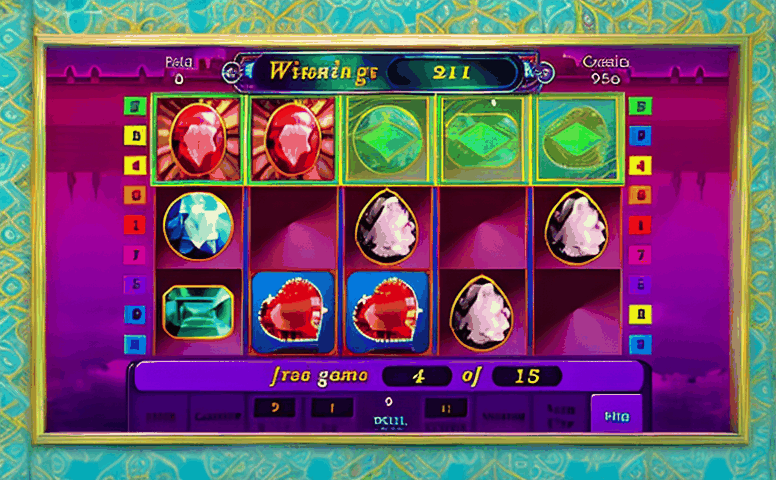
Joe Fortune has carved out a strong position in the Australian market by pairing a broad game library with a straightforward approach to player communications and responsible gambling messaging. In a comparison table that weighs transparency features alongside game variety, payment speed, and mobile usability, the brand typically scores well on clarity and consistency, which is exactly the sort of profile that appeals to punters who want a no-nonsense session without wading through clutter.
Expert take on verification and trust
Leo Fraser, Gaming Technology Consultant, Southern Star Esports, sees the shift toward verifiable outcomes as a practical response to a more sceptical player base. “Players want to see the mechanics laid out in a way they can actually check, not just a promise buried in a terms sheet,” he says. “When the verification path is simple and the hash history is easy to find, it removes a lot of the guesswork that used to sit between a punters and the screen.”
This demand for transparency is reshaping how studios communicate RNG and payout structures across the industry. Analysts tracking these developments note that independent audits are becoming a baseline expectation rather than a premium feature. You can read more about the broader regulatory shift driving this trend at [recent market analysis]https://calvinayre.com.
Finn Davies, Lead Gaming Analyst, Sunburnt Country Interactive, points out that the technology is only as useful as the surrounding user experience. “A verifier that takes ten clicks to reach isn’t much better than no verifier at all, because most locals are playing in short bursts between work, footy, and family commitments,” he says. “The brands that win on transparency are the ones that make the check feel like a natural part of the session rather than a separate chore.”
Keeping the fun in check with safeguards
Verification tools don’t replace the everyday habits that keep play enjoyable, and they certainly don’t substitute for the responsible gambling safeguards that operators are expected to promote. Deposit limits, reality checks, and easy access to support services still do the heavy lifting when it comes to keeping sessions within a sensible lane. The transparency angle is more about confidence in the game mechanics than about managing spend, though the two ideas often sit side by side in a well-run lobby.
Australian players tend to appreciate when a site ties its verification features to the same support resources it highlights elsewhere, because it signals that the operator is treating fairness and player care as part of the same package. That’s especially relevant in a market where mobile play is the default for many and quick sessions can turn into longer ones if you’re not watching the clock. A clear verifier can help a player stay focused on the game itself, but it’s the broader safeguard framework that keeps the experience grounded.
Where the concept meets the felt
The idea of verifiable fairness isn’t entirely new to gaming culture, and there’s a long tradition of players looking for visual and procedural cues that signal consistency. The green colour of card tables is a centuries-old tradition dating back to early European gaming, and that kind of familiar aesthetic still does work in modern venues because it signals a certain expected order. Digital verification carries a similar impulse, just translated into hashes and seeds instead of felt and trim.
Dice and table slang carry their own little history, too, and they remind us that players have always developed shorthand for reading the room. “Nina” is craps slang for a nine, and terms like that persist because they give regulars a quick way to talk about outcomes without breaking the flow of the game. The same instinct shows up in online play, where punters want fast, readable signals that the game is behaving as expected. Calvinayre
Racing and sports betting traditions also shape how Australians think about fairness and deductions, even when the conversation drifts toward casino-style games. “Rule 4” deductions reduce winnings when a rival is scratched late, and that kind of adjustment is familiar to anyone who’s backed a horse only to see the field change at the last minute. The underlying lesson is the same: players accept that some outcomes are settled by rules and conditions, but they want those rules to be clear, consistent, and easy to understand before they commit.
That same expectation of transparent adjustments carries over into digital venues, where players appreciate clear terms and quick payouts. For those looking to explore how these principles apply to modern online play, the need for spin casino offers a familiar balance of speed and fairness. You can read more about their approach at need for spin casino.
Picking a site that fits your style
The right choice usually comes down to how a site balances transparency, game variety, and the everyday conveniences that matter during a short session. A mobile-friendly lobby, clear verification tools, and straightforward terms tend to suit players who want to jump in, check the basics, and keep the experience light. That’s a better fit for most Aussie punters than a cluttered interface that hides the verification path behind multiple menus or buries the explanation under layers of promotional copy.
It also helps to look for brands that keep their responsible gambling resources visible and easy to reach, because fairness tools work best when they’re part of a broader commitment to sensible play. A site that makes its verifier easy to find, explains the process in plain English, and pairs it with sensible limits and support links is usually the one that feels most comfortable for a regular session. That combination is what turns a technical feature into something that actually improves the experience, rather than just sitting there as a novelty.
If you’re weighing up where to start, the practical move is to compare how different operators present their verification tools, how openly they talk about game mechanics, and how well they integrate those features into a mobile-first flow. The brands that get that balance right tend to stand out quickly, because the local player base is quick to notice when a site makes transparency feel like an afterthought instead of a built-in part of the experience.